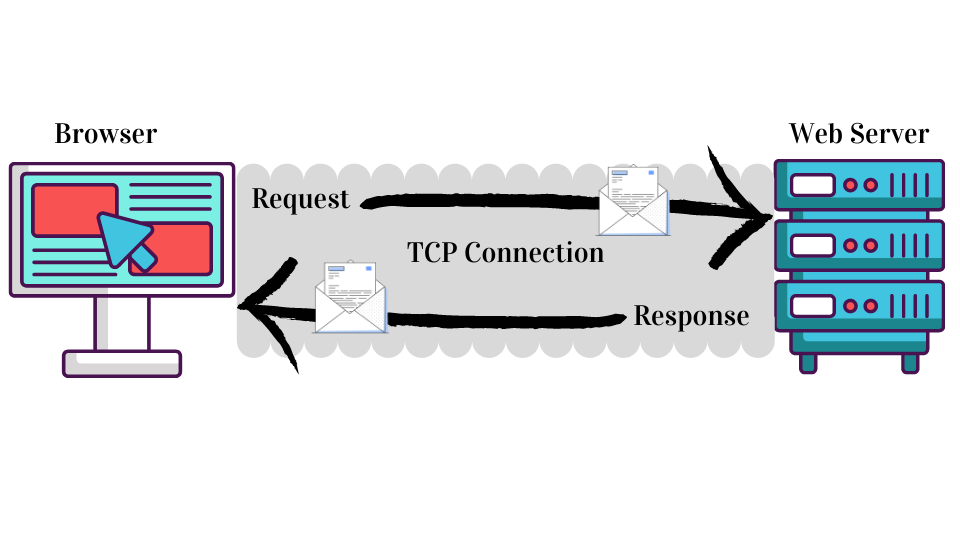
HyperText Transfer Protocol (HTTP)
HTTP, the Hypertext Transfer Protocol facilitates every transaction over the World Wide Web and is used to define how requests and responses between servers and browsers are transmitted and formatted.
Common HTTP methods
- GET
- POST
- PUT
- DELETE
- CONNECT
- HEAD
- OPTIONS
- TRACE
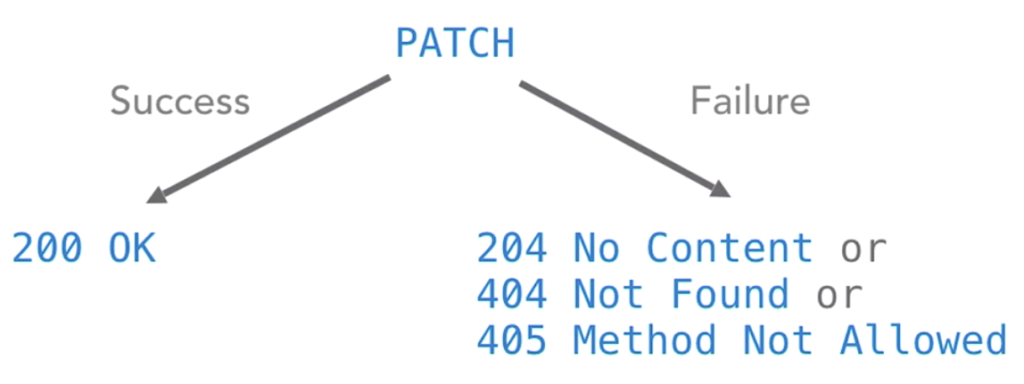
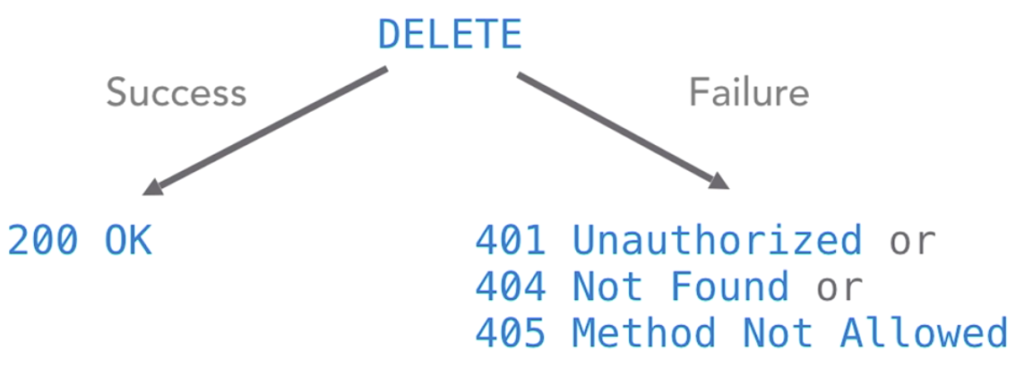
HTTP works based on a request/response pair, every interaction starts with a request using one of the HTTP methods and ends with a response containing an HTTP status code.
HTTP by nature is a stateless protocol with each request/response pair being unique and independent of other requests/responses.
If state is important in a web application, HTTP sessions are used to store state between the browser and the server by transmitting information in cookies about where the user is in a sequence of events.
HTTP headers can include additional information such as:
- What type of client sent the request
- Server information
- Time and date of the response
- Duration of data storage
- Data format
- Cookies used to track sessions
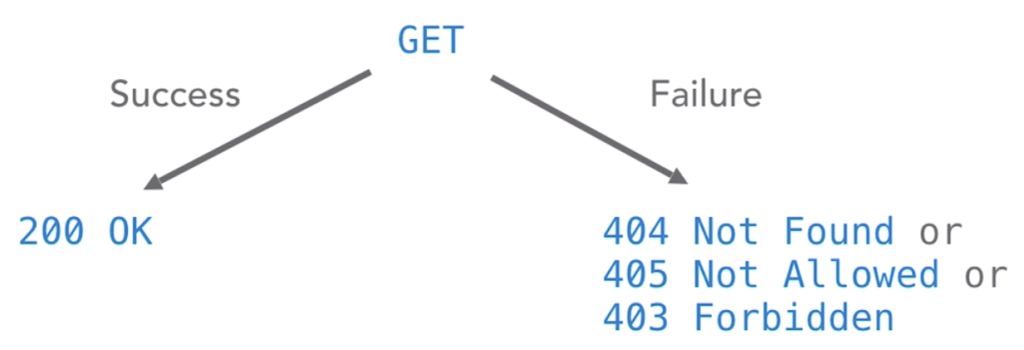
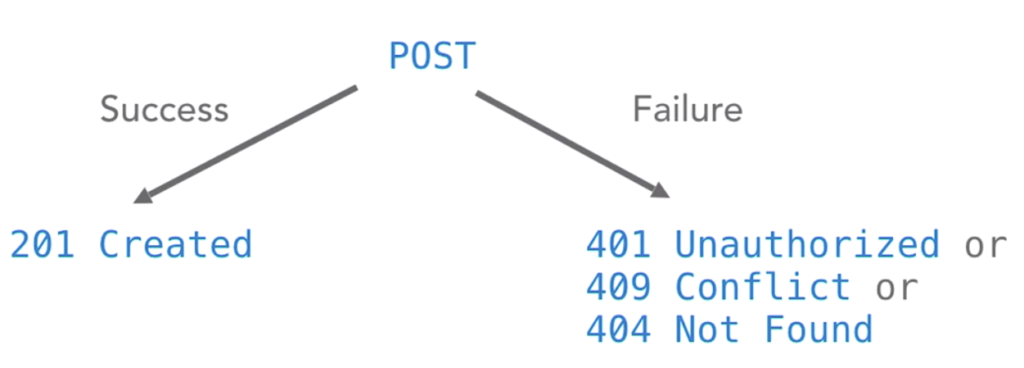
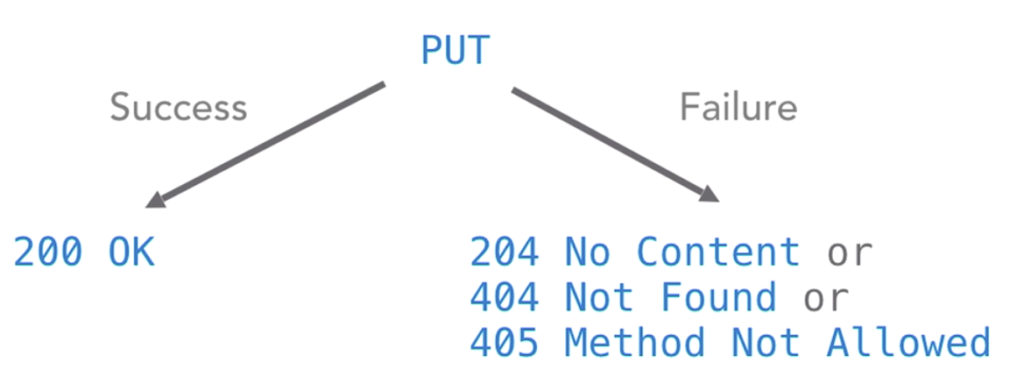
The difference between the HTTP versions
| HTTP/1.1 | HTTP/2 > HTTPS |
| Uncompressed headers | Uses compression algorithms to speed up requests |
| Transfers one file at a time | Encryption over HTTPS |
| No default encryption | Supports multi-plexing / multiple files |
One Comment
Pingback: